
Going through rehab is something to be incredibly proud of. It’s a huge milestone that represents courage, commitment and a willingness to change your life. But while finishing a rehabilitation program is a major achievement, it’s important to remember that recovery doesn’t stop the day you leave. In many ways, it’s when the real work begins.
Days in rehab are structured, you’re supported and you’re focused entirely on your recovery. Once you’re back in everyday life, you need to face work, family responsibilities, financial pressures, relationships and the normal stresses that everyone experiences. Learning how to navigate those challenges without turning back to drugs or alcohol is where long-term recovery is built.
The good news is you don’t have to figure it all out on your own. With the right support, strategies and aftercare program, recovery can continue to grow long after rehab ends.
Recovery isn’t about struggling
At The Bardo, we see people put enormous pressure on themselves to always feel positive, stay motivated and never experience cravings or difficult emotions again. Unfortunately, that expectation does more harm than good.
The truth is, recovery isn’t about becoming a different person overnight. It’s about learning healthier ways to respond when life becomes challenging. There will still be stressful days, unexpected setbacks and moments where old thoughts or habits resurface. That doesn’t mean you’ve failed. It simply means you’re human.
What changes is your ability to recognise what’s happening and respond differently. Instead of reaching for drugs or alcohol, you begin building new coping strategies that protect the progress you’ve worked so hard to achieve.
The transition back into everyday life can be challenging
For many people, the first few months after leaving rehab are the most important. You’re stepping away from an environment that’s been carefully designed to support your recovery and returning to a world that hasn’t changed simply because you have.
You may find yourself driving past places where you used to use substances, reconnecting with people who still drink or use drugs, or feeling isolated because you’ve distanced yourself from old social circles. Even positive life events like returning to work or rebuilding family relationships can feel emotionally exhausting while you’re still adjusting.
This is exactly why planning ahead matters. Having routines, healthy habits and people you can reach out to makes it much easier to navigate these situations before they become overwhelming. Recovery isn’t about avoiding life. It’s about learning how to participate in it differently.
Relapse usually starts long before substance use
Many people think relapse happens the moment someone has a drink or uses drugs again. In reality, relapse is often a gradual process that begins weeks or even months earlier.
It can start with small changes that don’t seem significant at first. You might stop attending counselling sessions because you’re feeling better. You begin isolating yourself from supportive people, your sleep becomes disrupted, you’re feeling more stressed than usual or you convince yourself that you’ve got everything under control and no longer need help.
These early warning signs don’t guarantee relapse, but they are opportunities to pause and check in with yourself. The earlier they’re recognised, the easier it is to make changes before things escalate.
At The Bardo, helping people understand their personal triggers and warning signs is a key part of relapse prevention. Every person’s recovery journey is different, which means every relapse prevention plan should be different too.
Recovery is about rebuilding your whole life
Sobriety is an incredibly important part of recovery, but it’s only one piece of the puzzle. Long-term recovery also means rebuilding your physical health, emotional wellbeing, relationships and sense of purpose.
That’s why recovery often involves much more than counselling alone. Looking after your nutrition, exercising regularly, getting quality sleep, managing stress and finding activities that genuinely bring you joy all contribute to a healthier, more balanced life.
At The Bardo, we believe recovery should support the whole person. Alongside evidence-based counselling approaches, guests have access to complementary therapies including yoga, massage, acupuncture, expressive art therapy, meditation, personal training and nutritional support. These therapies aren’t simply designed to help you relax. They help rebuild confidence, improve emotional regulation and create healthy routines that continue well beyond your stay.
When people begin feeling physically stronger and emotionally healthier, maintaining recovery often becomes much more achievable.
Staying connected is one of the strongest forms of relapse prevention
Many people assume they only need support when things are falling apart. In reality, some of the strongest recoveries are built by people who continue asking for help long after the crisis has passed.
Ongoing counselling, regular check-ins and maintaining a strong support network provide accountability, encouragement and perspective during both the good times and the difficult ones. Sometimes simply talking through a stressful week with someone who understands addiction can prevent small problems from becoming much bigger ones.
The Bardo’s aftercare program is designed around this idea. Guests leave with a personalised recovery plan and access to ongoing counselling support, helping bridge the gap between residential treatment and everyday life. We also encourage previous guests to stay connected with us because recovery isn’t something you graduate from—it’s something you continue nurturing over time.
A setback doesn’t erase your progress
One of the hardest things about addiction recovery is the shame many people feel if they experience a lapse or relapse. It’s easy to believe you’ve failed or that all of your hard work has been undone.
A setback doesn’t erase everything you’ve learned or the progress you’ve made. Instead, it provides valuable insight into what support, boundaries or coping strategies may need strengthening. Many people who achieve lasting recovery have experienced setbacks along the way. What makes the difference is reaching out early rather than trying to manage it alone.
If relapse has already occurred, it may be necessary to complete a medically supported detox before continuing with further treatment. From there, relapse prevention focuses on understanding what happened, rebuilding healthy routines and strengthening the foundations that support long-term recovery.
Recovery is a journey worth protecting
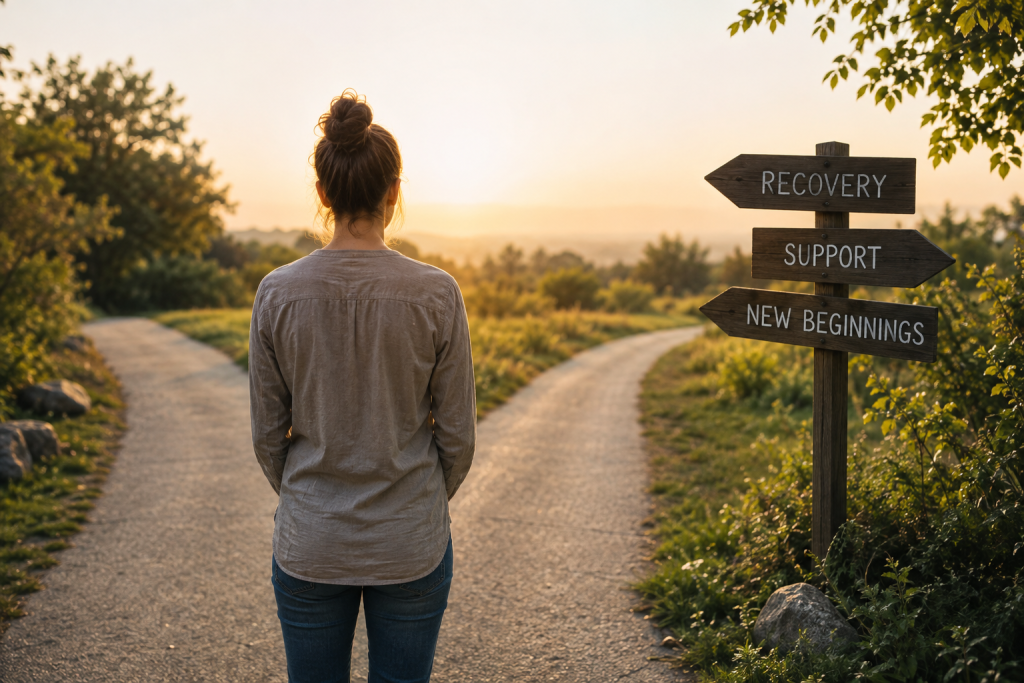
Leaving rehab isn’t the end of your recovery story. It’s the beginning of creating a life that feels meaningful, healthy and sustainable. There will be moments that test you, but there will also be moments where you realise you’re handling situations that once felt impossible. Every healthy choice, every counselling session, every conversation and every day of sobriety builds towards something bigger.
At The Bardo, we believe preventing relapse is just as important as treating addiction. Our personalised Relapse Prevention Program combines counselling, complementary therapies, health rebalancing, trigger identification and ongoing aftercare to help people maintain the progress they’ve worked so hard to achieve. Whether you’re preparing to leave rehab, feeling vulnerable in your recovery or looking to regain your footing after a setback, we’re here to help you move forward with confidence, compassion and the right support beside you.